

Things have gotten much worse between Pakistan and Afghanistan in 2026. After bombings and attacks over the border by both sides, what was once just border tensions has now turned into what officials call an “open war” phase.
This page is good for SEO and discusses the most recent changes in 2026, the main reasons behind them, the probable short-term gains and the major long-term drawbacks.
The Most Recent News in 2026
In February 2026, Pakistan bombed and shot at Afghan areas such as Kabul, Kandahar and
Paktia using planes and artillery.
- Pakistan reported that the strikes were aimed at hiding places for militants.
- Afghan officials said there were deaths and injuries and denounced the strikes.
- Afghanistan also sent drones and troops to the border to attack in response.
Pakistan’s defense leaders called the situation “open war” as fighting between the two countries got worse.
Experts say this is the worst escalation in years.
The Main Reasons For The Conflict in 2026
1. The Tehreek-e-Taliban Pakistan (TTP) problem
Pakistan says that Afghanistan lets TTP militants work on its land. Recent assaults in Pakistan made the case for military action stronger
2. Attacks by militants across borders
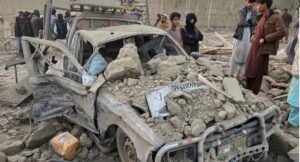
In early 2026, suicide bombings and attacks along the Afghan border killed Pakistani soldiers, which made things even more tense.
3. Durand Line border conflict
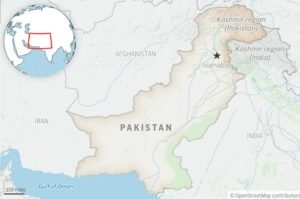
The long-standing quarrel over the border keeps people from trusting each other and building up their armies.
4. Failed diplomacy
Previous ceasefires and negotiations failed to yield a permanent resolution, resulting in the resurgence of hostilities.
Possible Short-Term Benefits
War doesn’t usually help people in any real way. However, other people say that there are very small short-term benefits.
More pressure on militant groups
Pakistan maintains that its strikes are aimed at extremist camps and may stop certain attacks over the border for a short time.
Better enforcement of the border
When the military gets bigger, it frequently means more strict border control and surveillance.
Political unity at home
External strife might promote short-term national unity inside a country.
But these benefits are not always permanent and are often not permanent.
The 2026 War’s Biggest Problems
1. Deaths of civilians and soldiers
Airstrikes and shelling have already killed and hurt people on both sides, including civilians who live in the affected areas.
2. Damage to the economy
If the fight goes on, both countries may have to deal with:
- Disruption of trade
- Less money coming in from other countries
- Increasing spending on defense
- Pressure on currency
Both economies are already weak, so a long war may be incredibly expensive.
3. Pressure from refugees
Millions of Afghans fled to Pakistan because of wars in the past. A bigger battle could lead to:
- New waves of refugees
- Stress on cities in Pakistan
- Humanitarian problems
4. The chance of instability in the area
Experts say that the violence could make the whole region less stable by:
- Promoting militant activity
- Breaking up trade routes
- Increasing proxy tensions
5. Pressure from other countries
The whole world is paying close attention. If things keep getting worse, they could:
- Pressure from diplomats
- Possible penalties
- Less help from other countries
6. Risks to security in the long run
History demonstrates that military intervention alone rarely ends radicalism. In certain circumstances, battles lead to the formation of new militant groups and more instability.
Effects on Pakistan in 2026
Pakistan could face:
- More money for the military
- More tension on the western border
- Risk to internal security
- Trade problems in Central Asia
Effects on Afghanistan in 2026
Afghanistan is more economically susceptible and could experience:
- Damage to infrastructure
- Risk of a humanitarian crisis
- Political pressure on the Taliban’s government
- Further economic decline
Is a full-scale war likely?
Even though the terminology of “open war” is used, a lot of observers think that both sides may still attempt to avoid a long, full-scale conventional battle because it would be very expensive. But there is still a big chance of more fighting.
FAQs
Q1: What started the war between Pakistan and Afghanistan in 2026?
The immediate cause was a rise in militant attacks inside Pakistan, which Islamabad blamed on organizations operating from Afghanistan. This led to Pakistani airstrikes and Afghan retribution.
Q2: Has the full battle officially begun?
Officials have called it “open war,” but for now, it looks like a lot of fighting across borders, and it might get worse or better.
Q3: Who is in the most pain?
People who live near the border are at the biggest risk, just like in most wars.
Q4: Is military action the answer?
Military pressure can work in the short term, but experts argue that for peace to last, diplomacy and security cooperation are needed.
Q5: What happens now?
The scenario is changing. The dispute could get worse if diplomacy fails and attacks keep happening. If conversations start up again, things might calm down.
Conclusion
The Pakistan-Afghanistan conflict in 2026 represents a perilous intensification of an already tenuous relationship. There may be some short-term security improvements, but the hazards to people, the economy and the region are much bigger.
Most experts agree that if genuine diplomatic efforts aren’t made, the current conflict might lead to long-lasting instability in both countries and the whole region.
