

Clinical research is one of the fastest-growing areas of healthcare and life sciences. Many professionals want to work in this field, but many are scared they will have to start over. The good news is that you can use what you already know and have done to get a job in clinical research.
The purpose of clinical research is to find out if new medical treatments, drugs, and technologies are safe and effective. The U.S. Food and Drug Administration and other entities make sure that these studies are safe for patients and follow scientific rules.
If you already work in healthcare, research, or a related field, you probably have a lot of skills that would be useful in other jobs. This essay tells you how to enter into clinical research without having to start over.
What is clinical research?
People who do clinical research test out novel drugs, medical treatments, and devices on people. Researchers conduct these trials to gain insights into the efficacy and safety of medicines.
Good Clinical Practice and other groups impose strict criteria for most clinical research. These rules help make sure that research is accurate, honest, and easy to understand.
People who do clinical research work in hospitals, research centers, universities, and drug companies.
Here are some common roles:
- Associate in Clinical Research (CRA)
- Clinical Research Coordinator (CRC)
- Manager of Data
- Help with clinical trials
- Expert in rules and regulations
Each feature is highly vital for keeping an eye on and executing clinical investigations.
Why Clinical Research Is a Growing Career
People seek innovative treatments and medical advances and the field of clinical research keeps developing.
Many businesses spend a lot of money on research and development. Big companies like Pfizer and Johnson & Johnson routinely do clinical research all around the world.

Here are some reasons why this career path is interesting:
- High demand for trained professionals
- Competitive salaries
- Opportunities to work globally
- Career growth in pharmaceutical and biotechnology sectors
Because of this need, people from various fields can go to the area and do well.
Identify Your Transferable Skills
You could already have skills that would be helpful in clinical research. Instead of beginning anew, consider about how previous experience may aid you with research.
People who work in these areas usually find it easy to switch:
Healthcare Professionals
Nurses, pharmacists, and medical assistants already know how to talk to patients and utilize medical jargon.
Life Science Graduates
A degree in biology, biotechnology, or pharmacy provides you a solid foundation in science.
Data and Administrative Roles
Clinical trials require meticulous record-keeping and data analysis.
Some useful skills that can be applied in other jobs are:
- Talking to patients
- Managing data
- Paperwork for the rules
- Paying attention to the little things
- Doing research and thinking critically
Highlighting these skills in your resume can make your transition easier.
Learn the Basics of Clinical Trials
You need to know how clinical trials work before you can apply for research positions.
There are four main sections to most trials:
Phase 1
Researchers test a new drug on a small sample to evaluate if it is safe.
Phase 2
The treatment is administered to a larger group to find out how well it works and what bad consequences it has.
Phase 3
Large studies suggest that this treatment works better than other ones.
Phase 4
After a drug is approved by the U.S. Food and Drug Administration, post-marketing studies keep an eye on how safe it is in the long term.
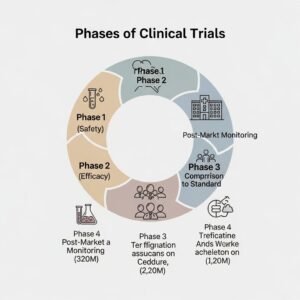
You will better grasp how research works if you study these steps.
Gain Practical Experience
Practical experience helps bridge the gap between education and employment.
You can gain experience through:
- Internships at research sites
- Volunteering in clinical studies
- Entry-level roles like Clinical Trial Assistant
- Research positions in universities or hospitals
Many professionals begin in entry-level roles and quickly advance after gaining experience.
Network With Industry Professionals
Networking plays a major role in entering the clinical research field.
You can connect with professionals through:
- Clinical research conferences
- Professional associations
- Online communities and forums
- Networking platforms such as LinkedIn
Engaging with experienced researchers can help you learn about job opportunities and industry trends.
Tailor Your Resume for Clinical Research Roles
Your resume should highlight relevant experience and transferable skills.
Focus on:
- Research or healthcare experience
- Data management skills
- Knowledge of clinical trial regulations
- Certifications and training
Using industry keywords such as clinical trials, protocol compliance, and regulatory documentation can also improve your chances of getting noticed by recruiters.
Entry-Level Clinical Research Jobs to Consider
If you are transitioning into clinical research, these roles are great starting points:
Clinical Trial Assistant
Supports research teams with documentation and trial coordination.
Clinical Research Coordinator
Manages patient recruitment, trial schedules, and study data.
Regulatory Affairs Assistant
Ensures studies follow regulatory guidelines and ethical standards.
These roles provide valuable experience and open the door to advanced positions like Clinical Research Associate.
(FAQs)
Do I need a medical degree to work in clinical research?
No, a medical degree is not required. Many professionals enter the field with degrees in life sciences, healthcare, or related fields.
How long does it take to transition into clinical research?
With proper training and networking, many professionals transition within 6 to 12 months.
Is clinical research a good career in the United States?
Yes. The demand for clinical research professionals continues to grow due to increasing clinical trials and pharmaceutical innovation.
What is the best certification for beginners?
Certifications from the Association of Clinical Research Professionals and the Society of Clinical Research Associates are widely recognized in the industry.
Can remote jobs exist in clinical research?
Yes. Some roles such as data management, regulatory affairs, and remote monitoring can be performed remotely.
Conclusion
Transitioning into clinical research does not require starting from zero. Many professionals already possess valuable skills that apply directly to this field.
By learning clinical trial fundamentals, gaining certification, and building industry connections, you can successfully move into a rewarding career in clinical research.
With the growing demand for clinical trials and medical innovation, this field offers strong job stability and excellent opportunities for long-term career growth.
