

Introduction
Inflation is still affecting markets, businesses, and consumers worldwide, making the global economy less stable. Prices are rising, tensions between countries are mounting, and supply chains are breaking down. All of these things are changing how economies work. Countries like the US, China, and Germany are under economic strain, which is affecting trade and financial stability around the world.
Inflation is one of the most talked-about economic problems in recent years. Companies are altering the way they do business, and people are changing the way they spend money. Knowing what causes inflation and what it does can help people and businesses make better money choices.
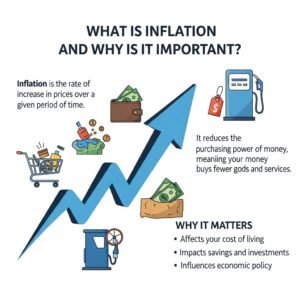
What Is Inflation and Why Is It Important?
Inflation is when the prices of goods and services go up over time. As inflation goes up, money’s buying power goes down. This means that people have to pay more for the same things.
To keep the economy stable, economists and policymakers keep a tight eye on inflation. The Federal Reserve and the International Monetary Fund are two examples of organizations that look at inflation trends and make rules to keep prices from going up too much.
In an expanding economy, inflation is normal. But excessive inflation can make the economy grow more slowly and make people feel unsure about their money.
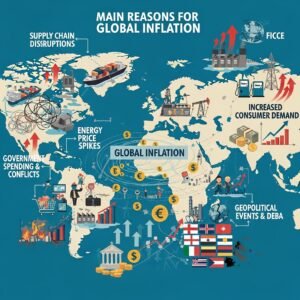
Main Reasons for Global Inflation
1. Problems with the supply chain
In today’s economy, global supply chains are quite important. The price of items goes up as production or transportation slows down. Recent events around the world have caused shortages of raw materials, electronics, and other important goods.
Shipping delays and problems with making things have made it necessary for many enterprises to raise prices to stay profitable.
2. Higher Prices for Energy
The cost of energy has a big impact on inflation around the world. When the price of oil and gas goes up, so do the expenses of moving goods and making things. Prices for daily items go up because of these increasing costs.
Energy markets are affected by trade policies, geopolitical tensions, and levels of production.
3. More demand from customers
After the economy slows down, demand from consumers frequently rises swiftly. Prices go up when demand outstrips supply. This imbalance has caused prices to go up in several countries.
Government spending and economic stimulus programs have also made people able to buy more, which can speed up price growth.
4. Interest Rates and Monetary Policies
Interest rates and monetary policy are two ways that central banks might affect inflation. It is easier to borrow money when interest rates stay low for a long time. More spending and investment can help the economy thrive, but they can also cause inflation.
The World Bank and other organizations typically look at how monetary policies affect the stability of the global economy over the long run.
How Inflation Affects Businesses
Higher Costs of Doing Business
During times of inflation, businesses have to pay more for raw goods, shipping, and workers. If businesses don’t change how they set prices, these rising costs could cut into their profits.
Prices and How People Act
Companies need to be very careful when they set prices. Consumers may cut back on spending if costs go up too quickly. But if prices are too low, it could not be as profitable.
Problems with Investing and Growing
Inflation might also affect investing decisions. Companies may put off their ambitions to grow since they don’t know what will happen with the market or how much it will cost to borrow money.
How Inflation Affects Consumers
Reduced Purchasing Power
One of the most obvious effects of inflation is that it makes things more expensive. People may need to change their budgets and put important purchases first.
More expensive to live
Costs for housing, food, transportation, and health care often go up during times of inflation. This can put a lot of stress on families with varied levels of income.
Changes in How You Spend Money
When prices go up, people often become more careful about how they spend their money. A lot of people start saving, buying at inexpensive stores, or putting off big expenditures.

Strategies Businesses Can Use to Manage Inflation
Improve Operational Efficiency
Businesses can focus on improving efficiency to reduce unnecessary costs. Automation, digital tools, and better supply chain management can help control expenses.
Diversify Supply Chains
Relying on a single supplier can create risks during economic disruptions. Diversifying supply chains helps businesses maintain stability even when global markets fluctuate.
Adjust Pricing Strategically
Smart pricing strategies allow businesses to remain competitive while maintaining profitability. Gradual price adjustments are often more effective than sudden increases.
Invest in Technology
Technology can help companies improve productivity and reduce operational costs. Digital platforms, data analytics, and automation tools provide valuable insights for better decision-making.
The Future of the Global Economy
Despite current challenges, the global economy continues to evolve. Innovation, digital transformation, and international cooperation will play important roles in shaping future economic growth.

Governments, financial institutions, and businesses must work together to create stable economic policies. Balanced strategies can help control inflation while encouraging sustainable growth.
Conclusion
Inflation remains a key challenge for the global economy in 2026. Rising prices, supply chain disruptions, and changing monetary policies continue to influence markets around the world. Understanding inflation and its economic impact is essential for businesses and consumers alike.
By adopting strategic planning, improving operational efficiency, and staying informed about economic trends, businesses can navigate inflationary pressures and remain competitive in an evolving global marketplace.
