Introduction
The American workplace has undergone a major transformation in recent years, and by 2026, coworking space have become a central part of this evolution. No longer seen as just shared offices for freelancers, these spaces now serve startups, remote teams, and even large enterprises looking for flexibility and efficiency.
As expectations continue to rise, professionals across the United States are becoming more selective about where they work. A modern coworking space must go beyond providing desks and internet—it must deliver an experience that enhances productivity, supports collaboration, and promotes well-being. Understanding what Americans truly value in 2026 can help operators design better spaces and businesses choose the right environment.
The Rise of Flexibility as a Core Requirement
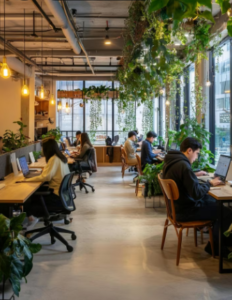
Flexibility has become the defining feature of coworking spaces in 2026. American professionals prefer work environments that adapt to their schedules rather than forcing them into rigid structures. Instead of committing to long-term leases, users now expect access to workspaces on demand, whether for a few hours, a day, or several months.
This shift is largely driven by the widespread adoption of hybrid work models. Employees no longer work exclusively from one location, and businesses are prioritizing agility. As a result, coworking spaces that offer adaptable membership plans and scalable office solutions are far more appealing than traditional setups.
Seamless Support for Hybrid Work Models
Hybrid work is no longer a trend—it is the standard. Coworking spaces in 2026 are designed to support both in-person and remote collaboration. Professionals need environments where they can transition smoothly between focused individual work and team interactions.
To meet this demand, modern coworking spaces are structured with a balance of open collaboration areas and quieter zones. They also integrate tools that enable seamless communication with remote team members, ensuring that distance does not impact productivity. This hybrid-friendly approach has become a key factor in attracting American businesses.
Advanced Technology and Smart Workspaces
Technology plays a crucial role in shaping the coworking experience. High-speed internet is just the baseline expectation; users now demand fully equipped smart workspaces that enhance efficiency.
In 2026, coworking spaces are increasingly integrating digital solutions such as mobile apps for booking desks and meeting rooms, automated access systems, and advanced video conferencing tools. These features not only simplify daily operations but also create a more streamlined and professional work environment. For many Americans, the presence of modern technology is a deciding factor when choosing a workspace.
The Importance of Privacy and Focus Areas
While collaboration is important, the need for privacy has grown significantly. Many professionals require quiet environments to concentrate on complex tasks or conduct confidential meetings. Open-plan offices alone are no longer sufficient.
To address this, coworking spaces now include dedicated quiet zones, private offices, and soundproof booths. These additions allow users to work without distractions while still benefiting from a shared environment. The ability to switch between collaborative and private settings is a feature that Americans increasingly expect.
Meeting Rooms That Enhance Productivity
Meeting spaces have become one of the most valued features in coworking environments. In 2026, professionals rely heavily on well-equipped meeting rooms for presentations, client discussions, and virtual conferences.
Modern coworking spaces are investing in smart meeting rooms with integrated audiovisual systems and easy booking options. The availability and quality of these spaces can significantly impact a company’s productivity and professional image. As a result, Americans often prioritize coworking locations that offer reliable and accessible meeting facilities.
A Strong Sense of Community and Networking
Beyond physical infrastructure, coworking spaces are valued for the sense of community they provide. In the United States, professionals are increasingly drawn to environments that encourage networking and collaboration.
Coworking spaces now host regular events, workshops, and social gatherings that help members connect and share ideas. This sense of belonging is especially important for freelancers and remote workers who might otherwise feel isolated. A vibrant community can turn a simple workspace into a hub of innovation and opportunity.
Focus on Wellness and Work-Life Balance
In 2026, employee well-being has become a top priority, and coworking spaces are reflecting this shift. Americans are looking for environments that support both their professional and personal health.
Modern spaces incorporate natural lighting, ergonomic furniture, and designated relaxation areas to create a more comfortable atmosphere. Some even offer wellness programs or fitness facilities. These features not only improve productivity but also contribute to a healthier work-life balance, making them highly attractive to today’s workforce.
Sustainability and Eco-Friendly Design
Environmental responsibility is another factor influencing coworking choices in the United States. Many professionals prefer spaces that align with their values, particularly when it comes to sustainability.
Coworking operators are responding by adopting eco-friendly practices such as energy-efficient systems, sustainable materials, and waste reduction initiatives. In 2026, a commitment to sustainability is not just a bonus—it is often an expectation among environmentally conscious users.
Location and Accessibility Matter More Than Ever
Even with the rise of remote work, location remains a key consideration. However, preferences have shifted. Instead of centralized downtown offices, many Americans now favor coworking spaces closer to their homes.
Suburban locations are becoming increasingly popular, offering convenience and reducing commute times. Easy access to public transportation and nearby amenities such as cafes and restaurants further enhances the appeal of a coworking space.
Scalability for Growing Businesses
Businesses in 2026 need workspaces that can grow with them. Coworking spaces that offer scalable solutions—such as the ability to expand team areas or customize office layouts—are particularly attractive.
This flexibility allows companies to adapt quickly without the burden of relocating or signing new leases. For startups and growing enterprises, scalability is a critical feature that supports long-term success.
Security and Professional Standards
As more businesses operate in shared environments, security has become a major concern. Americans expect coworking spaces to provide secure networks, controlled access systems, and reliable data protection measures.
At the same time, professionalism is equally important. Clean, well-maintained facilities and supportive staff contribute to a positive experience and reflect the standards that modern professionals demand.
Hospitality-Level Experience
Coworking spaces in 2026 are increasingly adopting a hospitality-driven approach. Users expect more than just functionality—they want comfort, convenience, and high-quality service.
From welcoming reception areas to premium amenities, these spaces are designed to create a positive and memorable experience. This shift toward hospitality has elevated coworking from a simple office solution to a lifestyle choice.
Conclusion
The coworking landscape in the United States has evolved significantly by 2026. Professionals are no longer satisfied with basic workspaces; they seek environments that offer flexibility, advanced technology, and a strong sense of community.
From hybrid work support and privacy options to wellness features and sustainability, the expectations for coworking spaces have expanded in meaningful ways. Businesses that understand and implement these features will be better positioned to attract and retain members in an increasingly competitive market.
Ultimately, the coworking spaces that succeed are those that prioritize people—creating environments where individuals and teams can thrive, collaborate, and achieve their goals.
FAQs
1. What is the most important feature Americans look for in coworking spaces in 2026?
Flexibility and support for hybrid work models are considered the most important features.
2. Why is technology important in coworking spaces?
Technology improves efficiency, communication, and overall user experience.
3. Do coworking spaces offer private work areas?
Yes, most modern coworking spaces include private offices and quiet zones.
4. Are coworking spaces suitable for large companies?
Yes, many enterprises use coworking spaces for hybrid teams and satellite offices.
5. How do coworking spaces support networking?
They provide opportunities through events, workshops, and shared environments.
6. Are eco-friendly coworking spaces in demand?
Yes, sustainability is a growing priority among American professionals.
7. What amenities improve productivity?
Features like high-speed internet, ergonomic furniture, and quiet spaces are essential.
8. Is coworking cost-effective?
Yes, it reduces overhead costs compared to traditional office setups.
9. Can coworking spaces grow with a business?
Yes, they offer scalable and flexible solutions for growing teams.
10. What is the future of coworking in the U.S.?
The future lies in hybrid work, smart technology, and experience-driven environments.
