

Introduction
The state of one’s digestive system has risen to prominence as a wellness industry hot subject in recent years. The significance of a well-functioning digestive system is being emphasised by doctors, nutritionists, and academics.
However, digestive health is just one aspect of gut health. Immunity, mental health, energy and weight control are all significantly impacted by the stomach, according to research.
More and more people are paying attention to the gut’s function as a result of these links. If you want to be healthier generally and avoid a lot of common health issues, you should learn about gut health.
Discover the meaning of gut health, its significance, and natural ways to enhance it in this article.
What Is Gut Health?
When the microbes in the digestive tract are in harmony, we say that the gut is healthy. Among these microscopic creatures are viruses, fungus, bacteria and others.
Scientists refer to this collection of bacteria as the gut microbiome.
How the Gut Microbiome Functions
Countless microbes make up the gut microbiome. There are a lot of them and most of them are good for your body.
These beneficial microbes aid in:
- Digestion involves breaking down food.
- Get the nutrients you need
- Make specific vitamin
- Stay safe from dangerous germs
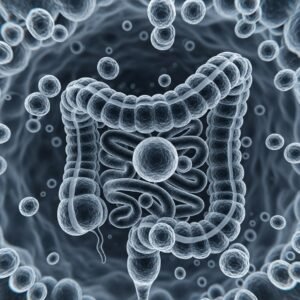
An efficient digestive system is associated with a well-balanced gut flora. The overgrowth of dangerous bacteria, however, can cause gastrointestinal distress and other health complications.
Why Gut Health Is Important
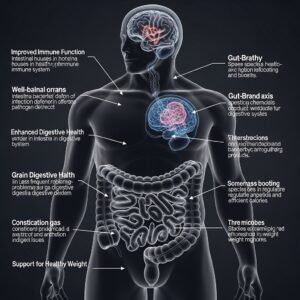
There are further areas of the body that gut health impacts. Scientists have found numerous interconnected systems in the human body that originate in the digestive tract.
Improved Immune Function
Intestinal organs house a significant number of immune system cells. In a healthy gut, bacteria aid in infection defence and pathogen detection.
A well-balanced gut microbiota leads to a more efficient immune system.
Enhanced Digestive Health
In order for the body to absorb nutrients from food, the digestive system breaks it down. This process is aided by good gut bacteria, which also aid in the prevention of common digestive issues.
Less frequent gastrointestinal problems including gas, constipation and indigestion are
common in those whose guts are healthy.
Brain-Guided Digestive System
Scientists refer to the connection between the gut and brain as the gut-brain axis. The digestive system is able to communicate with the brain through this relationship.
Chemicals produced by some bacteria in the stomach have an effect on one’s mental and emotional well-being. This link suggests that one’s gut health may impact their anxiety, stress and overall mental and emotional wellness.
Support for Healthy Weight
The microbes in our guts have an effect on our metabolism and fat storage mechanisms. Some species of bacteria assist in regulating appetite and encourage efficient calorie usage.
This is why studies examining the connection between digestive health and weight control are being conducted.
Common Signs of Poor Gut Health
Many people experience symptoms related to poor gut health without realizing it.
Digestive Symptoms
Common digestive signs include:
- Bloating
- Gas
- Constipation
- Diarrhea
- Stomach discomfort
Other Health Signs
Poor gut health may also lead to:
- Constant fatigue
- Frequent infections
- Skin problems such as acne or eczema
- Difficulty digesting certain foods
If these symptoms occur regularly, it may indicate an imbalance in the gut microbiome.
Best Foods for Gut Health
Diet plays a major role in maintaining a healthy gut. Certain foods support beneficial bacteria and improve digestion.
Fiber-Rich Foods
Fiber helps feed good bacteria in the digestive system.
Examples include:
- Fruits
- Vegetables
- Whole grains
- Beans and legumes
Eating fiber regularly encourages the growth of healthy gut bacteria.
Fermented Foods
Fermented foods contain natural probiotics. These are beneficial bacteria that help maintain balance in the gut microbiome.
Common fermented foods include:
- Yogurt
- Kefir
- Kimchi
- Sauerkraut
- Kombucha
Adding fermented foods to your diet can improve digestion and gut balance.
Prebiotic Foods
Prebiotics are special types of fiber that nourish good bacteria.
Examples include:
- Garlic
- Onions
- Bananas
- Oats
- Asparagus
These foods help beneficial bacteria grow and support overall gut health.
Lifestyle Habits That Improve Gut Health
In addition to diet, daily habits also influence gut health.
Stay Physically Active
Regular physical activity helps improve digestion and supports a healthy gut microbiome.
Manage Stress
Long-term stress can negatively affect the digestive system. Practicing relaxation techniques such as meditation or deep breathing may help maintain gut balance.
Get Enough Sleep
Quality sleep allows the body to repair itself and maintain balance in many systems, including the digestive system.
Limit Processed Foods
Highly processed foods and excessive sugar may disrupt the balance of gut bacteria. Choosing natural and whole foods can support better digestive health.
Why Gut Health Is Becoming So Popular
Interest in gut health has increased because scientists are discovering how strongly it affects the entire body.
Research shows that gut health may be connected to conditions such as:
- Obesity
- Diabetes
- Autoimmune diseases
- Mental health disorders
As awareness grows, more people are making changes to their diets and lifestyles to support a healthier gut.
Conclusion
Gut health is a key part of overall wellness. A balanced gut microbiome supports digestion, strengthens the immune system, and may even improve mental health.
The good news is that improving gut health is possible through simple daily habits. Eating fiber-rich foods, including fermented products, staying active, managing stress and getting enough sleep can all support a healthy digestive system.
As research continues to highlight the importance of the gut, it is clear why this topic is gaining so much attention. Taking care of your gut today can lead to better health in the future.
Frequently Asked Questions (FAQs)
What is gut health?
Gut health refers to the balance and function of microorganisms living in the digestive system. These microorganisms help digest food, absorb nutrients, and protect the body from harmful bacteria.
Why is gut health important?
Gut health affects digestion, immune function, and even mental health. A balanced gut microbiome helps the body function more efficiently and supports overall well-being.
What are the signs of an unhealthy gut?
Common signs include bloating, gas, constipation, diarrhea, fatigue and frequent stomach discomfort. Skin problems and food intolerances may also indicate poor gut health.
What foods improve gut health?
Foods that support gut health include fiber-rich foods, fermented foods and prebiotic foods. Examples include yogurt, vegetables, whole grains, bananas, garlic and oats.
How can I improve my gut health naturally?
You can improve gut health by eating a balanced diet, consuming more fiber and fermented foods, exercising regularly, managing stress and getting enough sleep.
Are probiotics helpful for gut health?
Probiotics are beneficial bacteria that help maintain balance in the gut microbiome. They can support digestion and improve gut health when consumed through foods or supplements.
