

Introduction
A CNA CHHA Bridge Program is a specialized training course that allows Certified Nursing Assistants to become Certified Home Health Aides without starting from scratch.
Instead of repeating similar coursework, bridge programs recognize your existing knowledge and focus on additional skills required for home-based patient care. These programs are typically shorter, more affordable, and highly targeted.
Key Features:
- Accelerated learning pathway
- Focus on home healthcare skills
- Flexible training schedules
- Certification upon completion
Difference Between CNA and CHHA
Understanding the difference between CNA and CHHA roles is essential before making the transition.
CNA (Certified Nursing Assistant)
- Works in hospitals, nursing homes, or clinics
- Assists with basic patient care
- Works under supervision of nurses
- Handles multiple patients
CHHA (Certified Home Health Aide)
- Works in patients’ homes
- Provides personalized, one-on-one care
- Assists with daily living activities
- Builds closer patient relationships
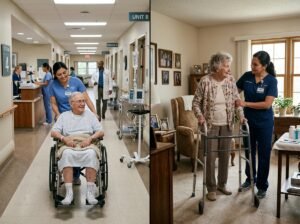
While both roles focus on caregiving, CHHAs often experience more independence and flexibility.
Why Advance Your Skills with a CNA CHHA Bridge Program?
1. Career Growth Opportunities
Bridge programs allow CNAs to expand their qualifications, making them more competitive in the job market. Employers often prefer multi-skilled professionals.
2. Increased Job Flexibility
Home healthcare offers flexible schedules compared to hospital shifts. This is ideal for individuals seeking work-life balance.
3. Higher Earning Potential
With additional certification, CNAs can access better-paying roles, especially in private home care.
4. Personalized Patient Care
Working one-on-one with patients creates stronger connections and more meaningful work experiences.
5. Growing Demand
The demand for home health aides is rapidly increasing due to aging populations and preference for in-home care.
Skills You Will Gain in a CNA CHHA Bridge Program
Bridge programs are designed to enhance your existing knowledge while introducing new competencies.
Clinical Skills
- Monitoring vital signs in home settings
- Infection control practices
- Medication reminders
Personal Care Skills
- Bathing and grooming assistance
- Mobility support
- Feeding assistance
Communication Skills
- Patient interaction
- Family coordination
- Reporting health changes
Safety and Emergency Skills
- Fall prevention
- Emergency response
- Home safety management
Course Curriculum Overview
Although programs may vary, most CNA CHHA bridge programs include the following modules:
1. Introduction to Home Healthcare
Understanding the role of CHHAs in modern healthcare systems.
2. Patient Rights and Ethics
Learning about privacy, dignity, and ethical care.
3. Infection Control
Maintaining hygiene and preventing illness in home environments.
4. Nutrition and Meal Preparation
Preparing balanced meals based on patient needs.
5. Mobility Assistance
Helping patients move safely within their homes.
6. Communication Techniques
Effective interaction with patients and their families.
7. Emergency Procedures
Handling unexpected situations with confidence.
Eligibility Requirements
To enroll in a CNA CHHA bridge program, you typically need:
- A valid CNA certification
- High school diploma or equivalent
- Basic English communication skills
- Background check clearance
- Health screening (in some cases)
How Long Does the Program Take?
One of the biggest advantages of a bridge program is its short duration.
- Typical Duration: 2 to 6 weeks
- Class Hours: 40–80 hours
- Clinical Training: Included in most programs
This allows you to upgrade your career quickly without long-term commitment.
Career Opportunities After Completion
After completing the program, you can explore various roles in the healthcare sector.
1. Home Health Aide
Provide care to patients in their homes.
2. Personal Care Assistant
Assist elderly or disabled individuals with daily tasks.
3. Private Caregiver
Work independently or through agencies.
4. Hospice Aide
Support patients with terminal illnesses.
Benefits of Working as a CHHA
Flexible Work Schedule
You can choose shifts that suit your lifestyle.
Independence
Less supervision compared to hospital roles.
Stronger Patient Relationships
You spend more time with individual patients.
Emotional Satisfaction
Helping patients in their homes creates meaningful impact.
Challenges to Consider
While rewarding, the CHHA role comes with challenges.
Emotional Demands
Working closely with patients can be emotionally intense.
Physical Work
Assisting with mobility requires strength and stamina.
Isolation
Working alone in homes may feel isolating compared to team environments.
How to Choose the Right CNA CHHA Bridge Program
1. Accreditation
Ensure the program is recognized by relevant healthcare authorities.
2. Curriculum Quality
Look for comprehensive training modules.
3. Clinical Experience
Hands-on training is essential.
4. Flexible Scheduling
Choose programs that fit your routine.
5. Job Placement Support
Some programs offer employment assistance.
Tips for Success in the Program
- Stay consistent with your studies
- Practice hands-on skills regularly
- Communicate effectively with instructors
- Focus on patient-centered care
- Stay updated with healthcare trends
Future Career Pathways
Completing a CNA CHHA bridge program can be a stepping stone to higher roles:
- Licensed Practical Nurse (LPN)
- Registered Nurse (RN)
- Healthcare Supervisor
- Specialized Caregiver Roles
Conclusion
Advancing your career in healthcare doesn’t always require starting over. A CNA CHHA Bridge Program provides a fast, efficient, and rewarding pathway to expand your skills and explore new opportunities in home healthcare.
With increasing demand for personalized care, becoming a Certified Home Health Aide allows you to make a meaningful difference in patients’ lives while enjoying flexibility and career growth. Whether you’re looking for better work-life balance or higher earning potential, this bridge program can be your gateway to success.
FAQs
1. What is a CNA CHHA Bridge Program?
It is a short training program that helps CNAs become Certified Home Health Aides by building on their existing skills.
2. How long does it take to complete the program?
Most programs take between 2 to 6 weeks, depending on the training provider.
3. Do I need experience as a CNA to enroll?
Yes, a valid CNA certification is usually required.
4. Is the program expensive?
Bridge programs are generally affordable compared to full certification courses.
5. What jobs can I get after completing the program?
You can work as a home health aide, caregiver, or personal care assistant.
6. Is there a high demand for CHHAs?
Yes, demand is growing due to the aging population and preference for home-based care.
7. Can I study online?
Some programs offer partial online learning, but hands-on training is required.
8. Is certification required after completion?
Yes, you must pass certification requirements based on your state or region.
