

Introduction
In contemporary healthcare and nutritional science, gut health is increasingly recognized as a central determinant of overall well-being. Once considered relevant only to digestion, the gastrointestinal system is now understood to influence a wide range of physiological processes, including immune defense, metabolic regulation, neurological function, and even emotional stability.
At the core of gut health lies the gut microbiome, an intricate ecosystem composed of trillions of microorganisms such as bacteria, viruses, and fungi. These microorganisms coexist within the digestive tract and play a vital role in maintaining internal balance. When this microbial environment is diverse and stable, it supports optimal bodily function. However, modern lifestyle factors including processed diets, chronic stress, environmental toxins, and overuse of medications can disrupt this balance, leading to a condition known as dysbiosis.
This article provides a comprehensive, professional, and in-depth exploration of gut health, focusing on its biological significance, clinical implications, dietary considerations, and sustainable strategies for long-term improvement.
Understanding Gut Health
Gut health refers to the optimal functioning, integrity, and microbial balance of the gastrointestinal (GI) tract. It involves not only the efficient digestion of food but also the effective absorption of nutrients, maintenance of the intestinal barrier, and regulation of immune responses.
The gastrointestinal system is a highly coordinated network of organs, including the stomach, small intestine, and large intestine (colon). Each component plays a distinct yet interconnected role. The stomach initiates the digestive process through enzymatic breakdown, the small intestine facilitates nutrient absorption into the bloodstream, and the large intestine serves as the primary site for microbial activity and waste processing.
A healthy gut is characterized by a diverse microbiome, intact intestinal lining, and balanced physiological processes that collectively support both local digestive functions and systemic health outcomes.
The Importance of Gut Health in Overall Wellness
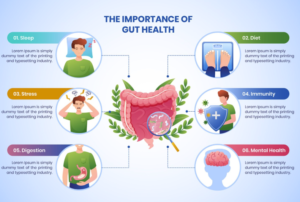
Digestive Efficiency and Nutrient Utilization
A properly functioning gut ensures that food is broken down into its fundamental components proteins, fats, carbohydrates, vitamins and minerals so they can be effectively absorbed and utilized by the body. When gut function is compromised, nutrient deficiencies may arise even in individuals consuming a balanced diet, leading to fatigue, weakness, and impaired bodily functions.
Immune System Regulation
The gut plays a pivotal role in immune health, housing approximately 70% of the body’s immune cells. A balanced microbiome supports the identification and neutralization of harmful pathogens while preventing excessive immune responses that may lead to inflammation or autoimmune conditions. This delicate balance is essential for maintaining resilience against infections and chronic diseases.
Neurological and Mental Health Support
Through the gut-brain axis, the digestive system communicates directly with the central nervous system via neural, hormonal, and biochemical pathways. The gut is involved in the production of neurotransmitters such as serotonin and dopamine, which influence mood, cognition, and emotional well-being. Consequently, disruptions in gut health have been linked to anxiety, depression, and cognitive disturbances.
Metabolic Function and Weight Management
Gut microbiota significantly influence metabolic processes, including how the body extracts energy from food, regulates appetite, and stores fat. An imbalance in gut bacteria may contribute to metabolic disorders such as obesity, insulin resistance, and type 2 diabetes, whereas a healthy microbiome supports efficient metabolism and weight stability.
Inflammation and Chronic Disease Prevention
Chronic low-grade inflammation is a key factor in many modern diseases. A healthy gut helps regulate inflammatory pathways, reducing the risk of conditions such as cardiovascular disease, inflammatory bowel disease, and certain autoimmune disorders. Maintaining gut integrity is therefore critical for long-term disease prevention.
Key Indicators of Poor Gut Health
An imbalance in gut health can manifest through a wide spectrum of symptoms, many of which extend beyond the digestive system. Persistent gastrointestinal discomfort, including bloating, excessive gas, constipation, or diarrhea, often serves as an early warning sign. However, systemic symptoms such as chronic fatigue, frequent infections, and unexplained skin conditions may also indicate underlying gut dysfunction.
Additionally, individuals may experience food intolerances, difficulty concentrating, mood instability, or disrupted sleep patterns. These symptoms are frequently overlooked or attributed to unrelated causes, yet they often share a common origin in microbial imbalance or impaired gut function. Recognizing these indicators early allows for timely intervention and prevention of more serious health complications.
The Gut Microbiome: Structure and Functional Significance
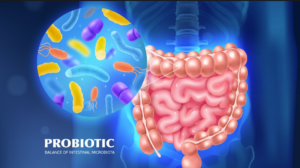
The gut microbiome is a dynamic and highly adaptive ecosystem that performs numerous essential functions critical to human health. It assists in the digestion of complex carbohydrates and dietary fibers that would otherwise be indigestible, converting them into beneficial compounds such as short-chain fatty acids that support intestinal health.
Furthermore, the microbiome contributes to the synthesis of essential vitamins, including certain B vitamins and vitamin K, which are necessary for metabolic and cardiovascular functions. It also plays a protective role by preventing the colonization of harmful pathogens and maintaining the integrity of the intestinal barrier.
Microbial diversity is widely regarded as a key indicator of gut health. A diverse microbiome enhances resilience against environmental stressors, dietary changes, and infections. Conversely, reduced diversity is associated with a higher risk of chronic diseases and metabolic imbalances.
Evidence-Based Dietary Strategies for Gut Health
Probiotic-Rich Foods
Probiotics are live microorganisms that provide health benefits when consumed in adequate amounts. Regular intake of probiotic-rich foods helps replenish beneficial bacteria and restore microbial balance, particularly after disruptions caused by illness or antibiotic use. Foods such as yogurt, kefir, and fermented vegetables offer natural sources of these beneficial microbes and contribute to improved digestive function over time.
Prebiotic Foods
Prebiotics serve as nourishment for beneficial gut bacteria, promoting their growth and activity. These non-digestible fibers are found in foods such as garlic, onions, bananas, asparagus, and whole grains. Incorporating prebiotic-rich foods into the diet enhances microbial diversity and supports a more stable and resilient gut environment.
Dietary Fiber
Fiber is a cornerstone of gut health, playing a critical role in maintaining bowel regularity and supporting microbial fermentation processes. A diet rich in fruits, vegetables, legumes and whole grains provides both soluble and insoluble fiber, which together contribute to improved digestion and reduced risk of gastrointestinal disorders.
Fermented Foods
Fermented foods undergo natural microbial processes that enhance their nutritional value and introduce beneficial bacteria into the gut. Regular consumption of fermented products such as kimchi, sauerkraut and miso can improve microbial diversity and strengthen digestive resilience.
Hydration and Digestive Support
Adequate hydration is essential for maintaining optimal digestive function. Water facilitates the breakdown of food, supports nutrient transport and aids in the elimination of waste products. Consistent fluid intake is therefore a fundamental component of gut health.
Foods and Lifestyle Factors That Negatively Impact Gut Health
Modern dietary patterns often include excessive consumption of processed foods, refined sugars, and unhealthy fats, all of which can disrupt the balance of gut bacteria. Artificial additives and sweeteners may further impair microbial diversity and contribute to inflammation.
Lifestyle factors such as chronic stress, inadequate sleep, and sedentary behavior also play a significant role in gut health. Prolonged stress can alter gut motility and microbial composition, while poor sleep quality has been linked to disruptions in metabolic and immune function. Addressing these factors is essential for restoring and maintaining a healthy gut environment.
Lifestyle Interventions for Long-Term Gut Health
Improving gut health requires a comprehensive and sustained approach that integrates both dietary and lifestyle modifications. A balanced, nutrient-dense diet should be complemented by regular physical activity, which has been shown to enhance microbial diversity and support digestive efficiency.
Stress management techniques, including mindfulness, meditation, and controlled breathing exercises, are equally important in maintaining gut-brain balance. Additionally, prioritizing high-quality sleep allows the body to repair and regulate essential physiological processes, including those within the digestive system.
The use of antibiotics should be approached with caution, as these medications can significantly disrupt gut flora. When necessary, they should be followed by strategies to restore microbial balance, such as increased intake of probiotic and prebiotic foods.
The Gut-Brain Axis: A Critical Connection
The gut-brain axis represents a sophisticated communication network linking the gastrointestinal system with the central nervous system. This bidirectional relationship enables the gut to influence brain function and vice versa.
Emerging research highlights the role of gut microbiota in regulating mood, cognitive performance and stress responses. An imbalance in gut bacteria may contribute to mental health disorders, while a well-balanced microbiome supports emotional stability and cognitive clarity. This connection underscores the importance of maintaining gut health as part of a holistic approach to mental well-being.
Gut Health, Immunity and Systemic Protection
The gut serves as a primary interface between the body and external environment, making it a crucial component of the immune system. A healthy microbiome enhances the body’s ability to detect and respond to harmful pathogens while preventing excessive inflammatory reactions.
By supporting immune cell development and function, the gut contributes to overall disease resistance and long-term health stability. Maintaining this balance is essential for reducing susceptibility to infections and chronic conditions.
The Relationship Between Gut Health and Skin
The emerging concept of the gut-skin axis highlights the connection between digestive health and skin conditions. Imbalances in gut microbiota can lead to systemic inflammation, which may manifest as acne, eczema, or other dermatological issues.
Improving gut health through dietary and lifestyle interventions often results in noticeable improvements in skin clarity and texture, further demonstrating the interconnected nature of bodily systems.
Gut Health and Weight Regulation
The gut microbiome plays a significant role in regulating body weight by influencing appetite, energy extraction and fat storage. Certain bacterial profiles are associated with increased efficiency in calorie absorption, which may contribute to weight gain.
Conversely, a balanced microbiome supports metabolic efficiency and helps regulate hunger hormones, making it easier to maintain a healthy weight. Addressing gut health is therefore an important component of sustainable weight management strategies.
Timeline for Improving Gut Health
The process of restoring gut health varies depending on individual factors such as diet, lifestyle, and the extent of microbial imbalance. While some individuals may experience improvements in digestion and energy levels within a few days, meaningful and sustained changes typically require several weeks or months of consistent effort.
Long-term commitment to healthy habits is essential for maintaining microbial diversity and preventing relapse into dysbiosis.
Common Misconceptions About Gut Health
Many misconceptions surround gut health, often leading to incomplete or ineffective approaches. One common misunderstanding is that all bacteria are harmful, when in fact beneficial bacteria are essential for maintaining health. Another misconception is that probiotic supplements alone can resolve gut issues, whereas a holistic approach involving diet, lifestyle and environmental factors is necessary.
Additionally, the belief that gut health only affects digestion overlooks its broader impact on immunity, mental health and metabolic function. Addressing these misconceptions is key to adopting a more informed and effective approach to gut wellness.
Conclusion
Gut health represents a fundamental aspect of human health, influencing a wide range of physiological systems that extend far beyond digestion. A balanced and diverse gut microbiome supports immune resilience, metabolic efficiency, mental clarity, and overall vitality.
Achieving and maintaining optimal gut health requires a comprehensive strategy that includes nutrient-rich dietary choices, consistent lifestyle practices, and awareness of factors that may disrupt microbial balance. While improvements may take time, the long-term benefits are substantial and far-reaching.
By prioritizing gut health as an integral component of daily life, individuals can enhance their overall well-being and reduce the risk of chronic disease, ultimately leading to a healthier and more sustainable future.
FAQs
1. What is gut health and why is it important?
Gut health refers to the balance and functionality of microorganisms within the digestive tract. It is essential because it influences digestion, immune response, mental health, and overall physiological stability.
2. What are the most common signs of poor gut health?
Common signs include digestive discomfort, irregular bowel movements, fatigue, frequent illness, skin issues and mood disturbances, all of which may indicate microbial imbalance.
3. How can gut health be improved naturally?
Gut health can be improved through a combination of dietary changes, including increased intake of fiber, probiotics, and prebiotics, along with lifestyle modifications such as stress management, regular exercise and adequate sleep.
4. Are probiotic supplements necessary for everyone?
Probiotic supplements are not universally required, as many individuals can maintain gut health through diet alone. However, they may be beneficial in specific circumstances, such as after antibiotic use or during periods of digestive imbalance.
5. How long does it take to restore gut health?
The timeline varies depending on individual conditions, but noticeable improvements can occur within weeks, with more significant and lasting changes developing over several months of consistent effort.
6. Can gut health affect mental well-being?
Yes, the gut-brain axis enables communication between the digestive system and the brain, meaning that gut health can significantly influence mood, cognition and emotional stability.
7. Which foods are most beneficial for gut health?
Foods rich in dietary fiber, probiotics, and prebiotics, such as fruits, vegetables, whole grains, yogurt, and fermented products, are particularly effective in supporting a healthy gut microbiome.
