

Introduction
Every parent wants to give their child the best possible start in life. One of the first and most important steps in early childhood education is preschool.
But what exactly is preschool, and why is it so important for your child’s development?
In this guide, we will explain everything you need to know about preschool, its benefits, and how to choose the right one.
What is Preschool?
Preschool is an early childhood education program designed for children between the ages of 2 and 5. It focuses on developing essential skills through play-based and interactive learning.
Instead of formal academics, preschool helps children build:
- Communication and language skills
- Social interaction and teamwork
- Basic math and alphabet recognition
- Creativity and problem-solving abilities
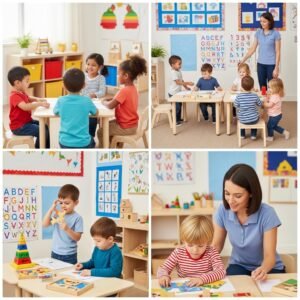
Preschool creates a strong foundation for future learning.
Why is Preschool Important for Child Development?
Preschool plays a key role in shaping a child’s personality and learning ability. It supports overall child development in multiple ways.
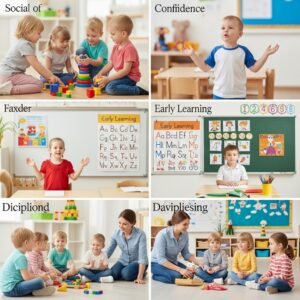
1. Improves Social Skills
Preschool allows children to interact with others. They learn sharing, cooperation, and how to build friendships.
2. Builds Confidence and Independence
Being away from parents for a few hours helps children become more independent and confident.
3. Encourages Early Learning
Preschool introduces children to basic concepts in a fun way. This develops a love for learning at an early age.
4. Develops Routine and Discipline
Children learn to follow a schedule, which prepares them for primary school.
Top Preschool Benefits for Kids
There are many advantages of enrolling your child in a preschool. Some of the key preschool benefits include:
- Better communication skills
- Strong emotional development
- Improved focus and attention
- Early problem-solving skills
- Preparation for formal schooling
These benefits support long-term academic success.
Common Preschool Activities
Preschool focuses on fun-based learning. These preschool activities help children learn naturally:
- Storytelling and reading
- Rhymes and music
- Drawing and coloring
- Puzzle games and brain activities
- Physical play and movement
These activities improve both mental and physical development.
How to Choose the Right Preschool
Choosing the right preschool is important for your child’s future. Here are some tips:
1. Check Safety and Cleanliness
Make sure the environment is safe, secure and hygienic.
2. Qualified Teachers
Teachers should be trained in early childhood education and child care.
3. Learning Approach
Look for activity-based and play-based learning methods.
4. Class Size
Small class sizes ensure better attention for each child.
5. Positive Environment
The preschool should feel friendly, supportive, and welcoming.
Conclusion
Preschool is a crucial step in your child’s early childhood education. It helps children develop essential skills such as communication, social interaction, and problem-solving in a fun and supportive environment.
By enrolling your child in a quality preschool, you are not just preparing them for school you are building a strong foundation for lifelong learning and success.
Choosing the right preschool can make a big difference in your child’s confidence, behavior and overall development. Take your time, explore your options, and select a preschool that best meets your child’s needs.
FAQs
1. What age is best to start preschool?
Most children start preschool between the ages of 2 and 4. However, the ideal age depends on your child’s readiness and comfort level.
2. Is preschool necessary for every child?
Preschool is not mandatory, but it is highly beneficial. It helps children develop social, emotional, and learning skills before starting formal school.
3. How many hours should a child spend in preschool?
Typically, 2 to 4 hours per day is enough for young children. The goal is to balance learning and play without overwhelming them.
4. What should a child learn in preschool?
Children in preschool learn basic skills such as alphabets, numbers, communication, social interaction and creative activities.
5. How do I know if a preschool is good?
A good preschool should have:
- A safe and clean environment
- Qualified and caring teachers
- Activity-based learning
- Positive and friendly atmosphere
6. What are the main benefits of preschool?
Some key preschool benefits include:
- Better social skills
- Increased confidence
- Early learning development
- Improved focus and discipline
